
The Psychology Behind Promotional Products: Why Do They Work?
-
 Jason Markwick
- Merch Matters
- 25 Aug 2026 views
-
908
- Reading time: 11 minutes
Why do promotional products work? The answer isn't simply because people like free stuff.
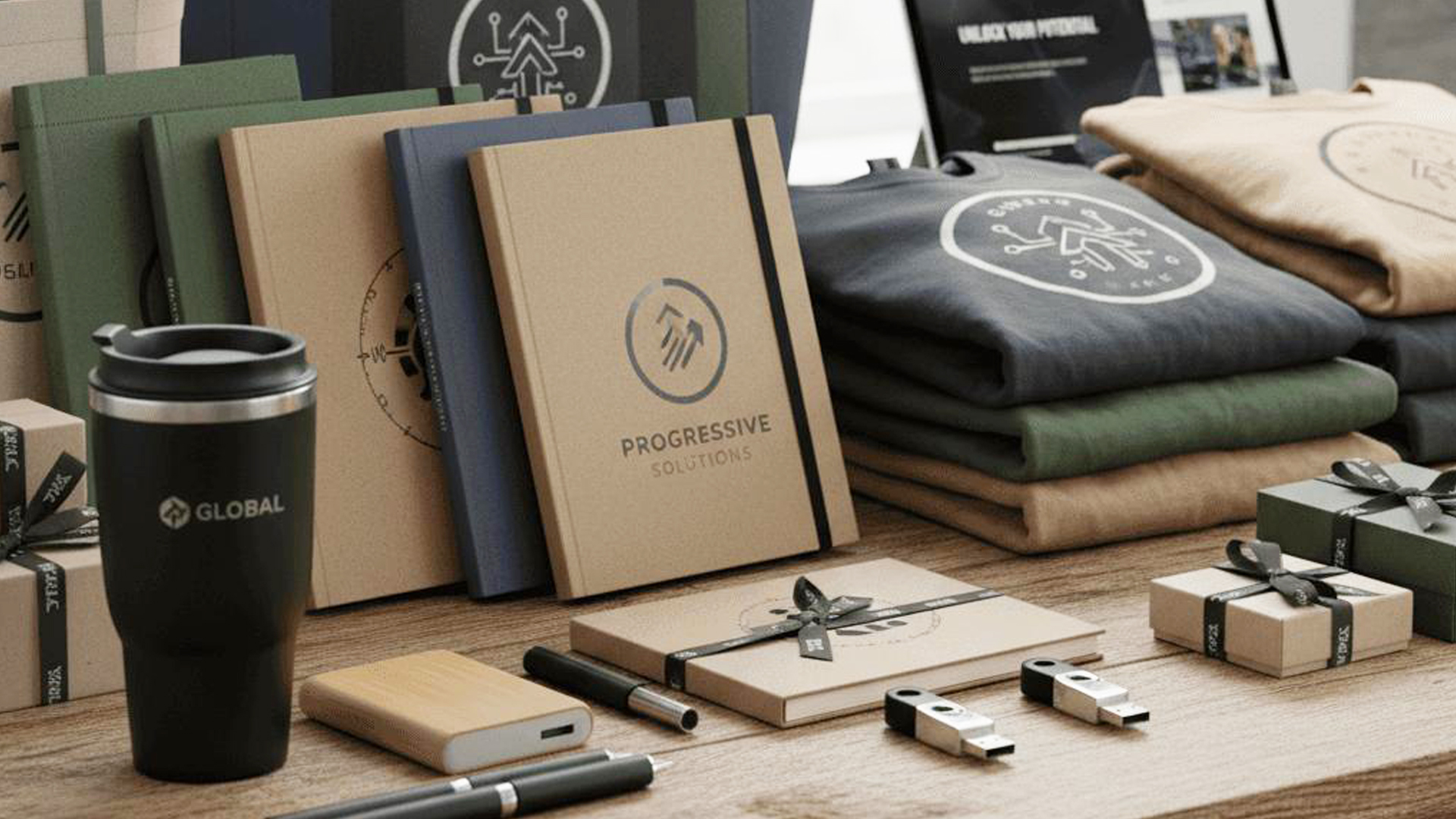
Why do promotional products work? Because they turn brand exposure into a physical experience. Unlike digital advertising, which can disappear in seconds, a useful promotional product can remain in someone's home, workplace, car or bag for months or even years. Everyday products such as branded office merchandise, drinkware and bags can continue generating brand exposure long after they're first handed out. Every use creates another opportunity for brand recognition, familiarity and positive association.
Think about the last promotional product you received.
Perhaps it was a branded water bottle, branded notebook, tote bag or pen.
You may not remember where you got it. You may not remember who handed it to you. But if you've used it regularly, there's a good chance you remember the brand printed on it.
That's the psychology behind effective promotional products.
Unlike an advert that disappears when you scroll past it, a useful promotional product can become part of someone's everyday life. It sits on their desk, travels in their bag, lives in their kitchen or accompanies them to meetings and events.
And every time they use it, your brand gets another moment of attention.
So, why promotional products work comes down to something quite powerful:
They turn a brand from something people see into something people experience.
What are promotional products?
Promotional products are physical items branded or customised with a company's identity, message or campaign.
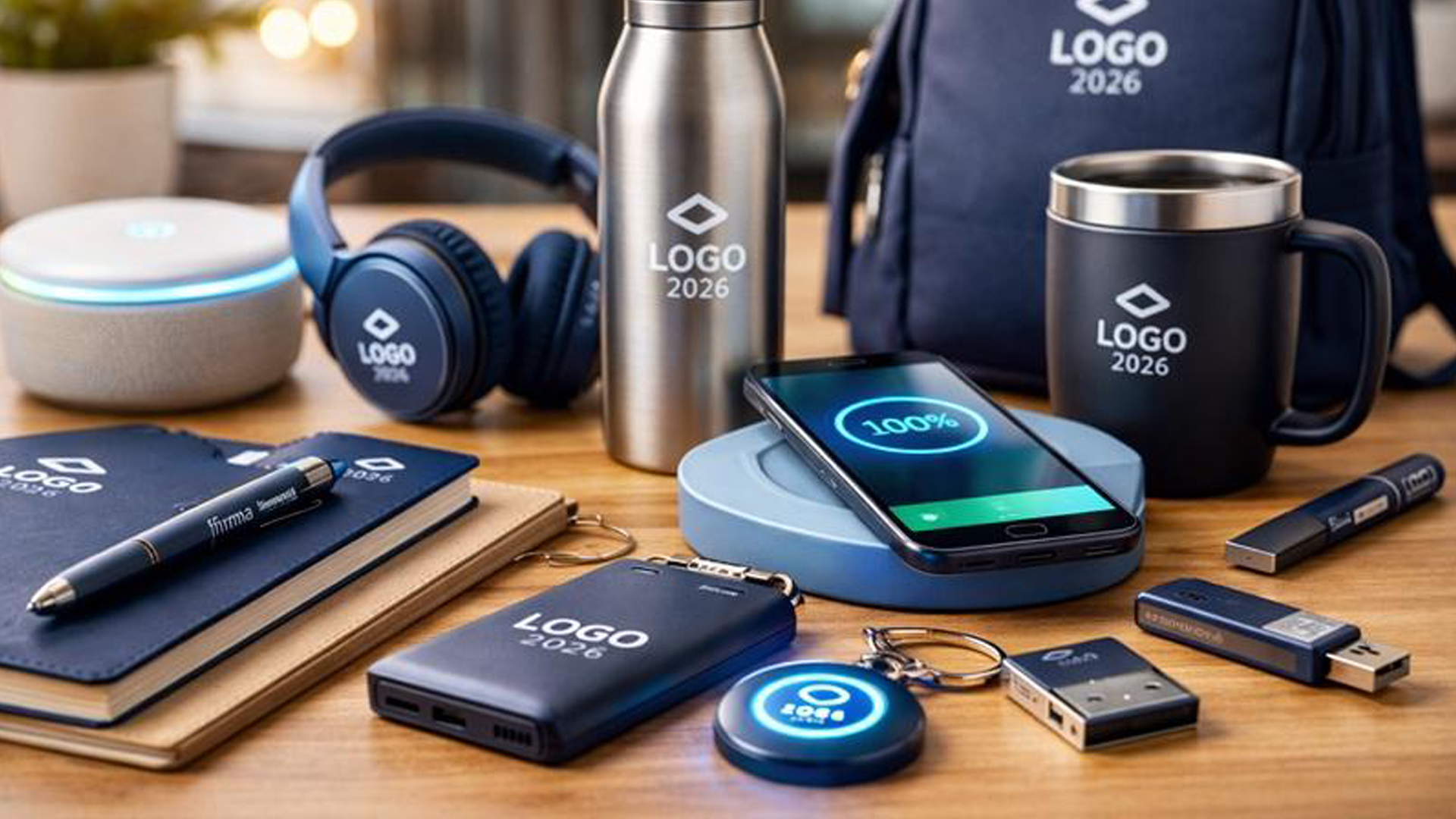
They can include everything from traditional pens and notebooks to:
The products themselves aren't necessarily what makes a campaign successful.
It's what the product does psychologically that matters.
1. We remember things we interact with
One of the biggest reasons promotional products work is that they create a physical interaction with a brand.
Digital advertising is everywhere, we scroll past adverts, we close pop-ups, we skip videos and we delete emails.
Physical products behave differently.
If someone receives a branded notebook and uses it every day, the brand becomes part of their environment.
The interaction might only last a few seconds, but it can happen hundreds of times.
This creates repeated opportunities for brand recognition.
See it → use it → remember it
That's a very different relationship from simply seeing an advertisement once.
2. Repetition builds recognition
Marketing relies heavily on familiarity.
The more often we encounter something, the more familiar it can become.
This is one reason consistent brand exposure is so important.
Imagine someone receives a branded water bottle at an event.
- They take it home.
- They use it at work.
- They take it to the gym.
- They leave it in the car.
- Their colleagues see it.
- Friends see it.
The brand isn't being seen once, it is potentially being seen again and again.
This is one of the simplest answers to why promotional products work.
A well-chosen product can create repeated brand exposure without requiring the recipient to actively seek it out.
3. Useful products create positive associations
Not all promotional products are created equal, a product that gets thrown into a drawer and forgotten isn't doing much for a brand.
A product that someone genuinely wants to use is very different.
Think about the difference between: “Here's another promotional item.” and “That's actually really useful.”
That second reaction matters, when a product solves a problem, it makes life easier or simply improves someone's day, the positive experience can become associated with the brand that provided it.
That's why usefulness should be a key consideration when choosing promotional merchandise.
Ask: Would someone want this if our logo wasn't on it?
If the answer is yes, you're heading in the right direction.
4. Promotional products can trigger reciprocity
There's another interesting psychological principle at play: reciprocity.
People often feel inclined to respond positively when someone does something positive for them.
Give someone something genuinely useful or thoughtful and it can create a feeling of goodwill.
That doesn't mean handing out a cheap product automatically creates customer loyalty, it doesn't.
The product needs to feel appropriate and relevant.
A thoughtful, useful or desirable item can communicate: “We value you.”
That can be particularly powerful for:
- Customer relationships
- Employee engagement
- Events
- Sales meetings
- Client onboarding
- Conferences
- Loyalty campaigns
- Corporate gifting
The merchandise becomes part of the relationship rather than simply another advertising channel.
5. Physical products create emotional connections
People don't only connect with brands through rational decisions, emotion plays a huge role.
A memorable piece of merchandise can become associated with an experience.
- Perhaps someone receives a branded cap at a festival.
- A tote bag at their first industry conference.
- A welcome pack when they join a new company.
- A premium gift after completing a major project.
The product becomes connected to the moment, and that matters because people often remember how something made them feel as much as the details of the experience itself.
The merchandise becomes a physical reminder of that moment.
6. We are naturally drawn to things that are free
Let's address the obvious one, people like free things.
But there's more to it than that, a free product can lower the barrier to engagement.
Someone who wouldn't necessarily stop to talk to a brand at an event may be more inclined to interact when there is something interesting, useful or desirable on offer.
But there's an important distinction.
Free doesn't mean worthless.
In fact, the best promotional merchandise often feels like a gift rather than an advert, that's why product quality matters.
A £1 product that looks and feels like a £1 product may communicate exactly that about the brand.
A carefully selected product with genuine value can communicate something very different.
7. Promotional products turn passive audiences into active participants
Traditional advertising is largely passive.
- You see an advert.
- You hear a message.
- You scroll past.
- Promotional merchandise can create participation.
- Someone picks up the product.
- They open it.
- They wear it.
- They use it.
- They photograph it.
- They take it somewhere.
- They may even show it to someone else.
- That makes the recipient part of the brand experience.
And when merchandise is particularly distinctive, it can become a conversation starter.
8. The product can say something about the brand
A promotional product isn't just a carrier for a logo, it can communicate brand personality.
- A premium technology company might choose sophisticated tech accessories.
- A sustainability-focused organisation might choose responsibly sourced products.
- A creative brand might develop something unexpected.
- A sports brand might create performance-led apparel.
- A luxury business might use premium packaging and subtle decoration.
The product itself becomes part of the brand story, this is why the question shouldn't simply be:
“What promotional product should we buy?”
A better question is:
“What product represents who we are?”
9. Sustainable promotional products can reinforce brand values
Sustainability is another reason product choice matters.
Consumers and employees are increasingly aware of the environmental impact of the products they receive.
Choosing a product because it has an "eco" label isn't enough, a more responsible approach considers:
- What is it made from?
- Where was it manufactured?
- How long will it last?
- How will it be used?
- What packaging does it have?
- How far has it travelled?
- What happens at the end of its useful life?
A durable product that someone uses for years can potentially be far more valuable than a disposable giveaway.
The psychology is simple:
A product that stays in someone's life keeps the brand in their environment.
10. The best promotional products don't feel like advertising
This may be the most important point of all.
People are exposed to thousands of marketing messages, they know when they're being sold to.
The most effective promotional products can bypass some of that resistance because they provide something of value rather than simply asking for attention.
The product isn't saying:
“Look at our brand.”
It's saying:
“Here's something useful for you.”
The branding becomes part of the experience and that's a much more natural way to build brand awareness.
So, why do promotional products work?
There isn't one single psychological reason, it's the combination of several factors.
Promotional products can:
Create repeated exposure
Your brand remains visible long after an event or campaign.
Build familiarity
Repeated brand encounters can make a brand more recognisable.
Create positive associations
Useful products can connect your brand with helpful experiences.
Encourage reciprocity
A thoughtful gift can strengthen relationships.
Create emotional connections
Products can become reminders of experiences and moments.
Encourage interaction
People physically engage with the brand.
Communicate brand values
The product itself can demonstrate what your organisation stands for.
Generate conversations
Distinctive merchandise can become a talking point.
But not every promotional product works
This is the important caveat.
The psychology only works when the merchandise is right, a poorly chosen product can have the opposite effect.
If it is:
- Cheap
- Unwanted
- Poor quality
- Irrelevant
- Over-branded
- Unsustainable
- Difficult to use
The recipient may simply ignore it.
The objective shouldn't be to put your logo on as many products as possible.
It should be to put your brand on the right products for the right people at the right moment.
What makes a promotional product memorable?
Before choosing your next product, consider these five questions:
- Is it useful, will people genuinely use it?
- Is it desirable, would they want it without the logo?
- Is it relevant, does it make sense for the audience and occasion?
- Is it memorable, does it stand out from the hundreds of promotional products they may have received before?
- Is it on brand, does it reflect your company's personality, values and positioning?
If you can answer "yes" to all five, you've got the foundations of an effective promotional product.
From giveaway to brand experience
The future of promotional merchandise isn't about giving people more stuff, it's about giving them the right thing.
- A product that is useful.
- A product that is desirable.
- A product that reflects your brand.
- A product that people keep.
Because when someone continues using your merchandise weeks, months or even years after receiving it, the marketing hasn't stopped, it has simply become part of their everyday life.
And that is perhaps the most powerful answer to the question:
Why promotional products work?
The best promotional products don't just carry your brand. They help people experience it.
Want to make your merchandise work harder?
At Arcadia, we help brands move beyond generic giveaways to create merchandise programmes that are relevant, memorable and aligned with their brand.
From sustainable promotional products and corporate gifts to bespoke merchandise, event campaigns and global fulfilment, we can help you find the right product for the right audience.
Your brand deserves more than a logo on a product, it deserves merchandise that people actually want to keep.
Explore Arcadia's branded merchandise solutions or talk to our team about your next campaign.
Reach out to our team, we would be delighted to help you create branded merchandise that delivers lasting brand exposure.
Posts
-
Jason Markwick
- 6 Oct 2026
-
909views
Niche Merchandise Ideas for Memorable Campaigns
-
Jason Markwick
- 10 Jul 2026
-
912views
2026 Branded Merchandise Trends
-
Jason Markwick
- 11 Jun 2026
-
154views
Arcadia Achieves EcoVadis Platinum Rating for the Third Consecutive Year!
-
Jason Markwick
- 15 May 2026
-
819views
How to Align Your Merchandise With Your Brand Personality
-
Jason Markwick
- 20 Apr 2026
-
156views
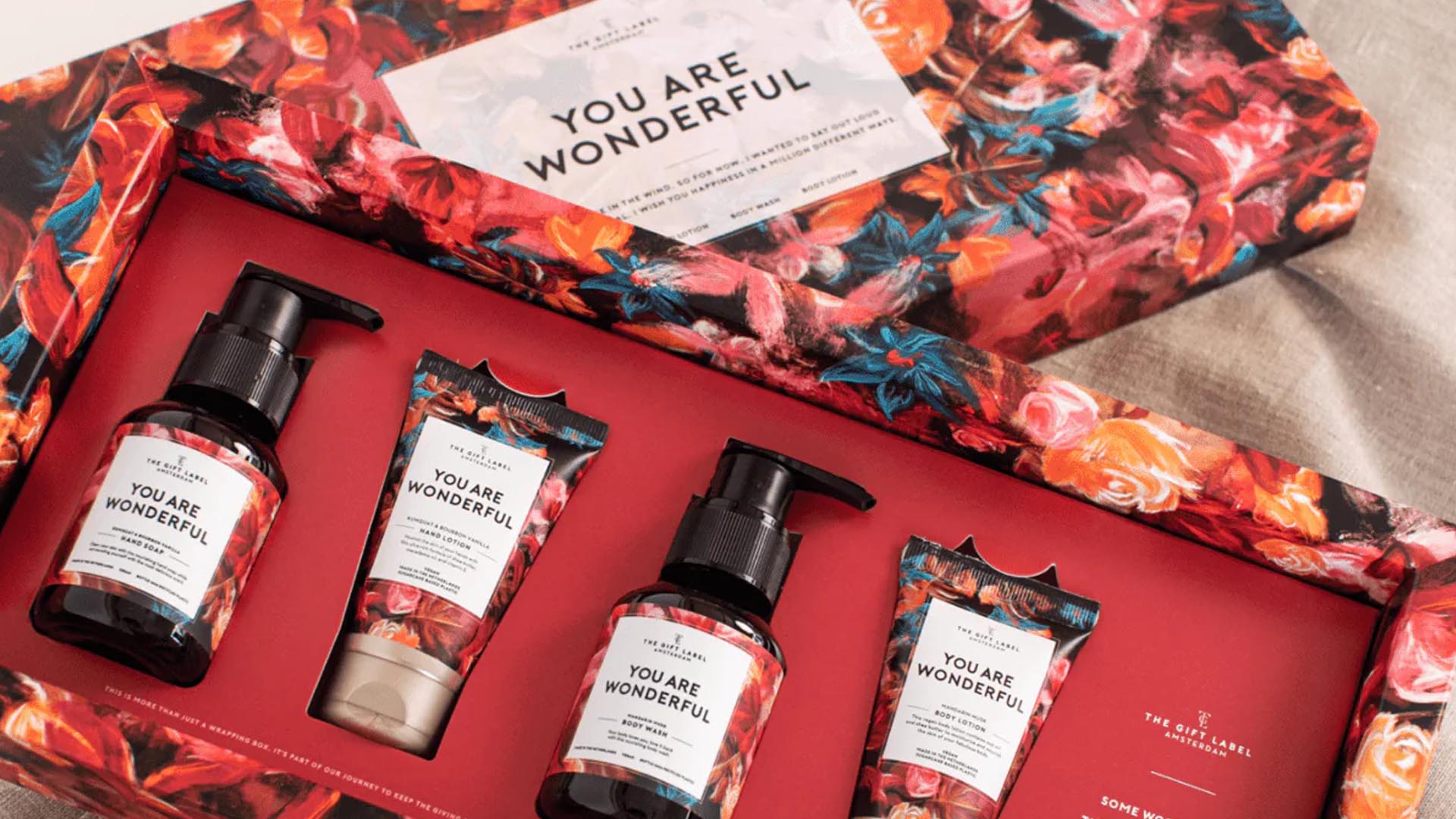
7 Reasons Why Printed Branded Mugs Make Great Promotional Giveaways
-
Jason Markwick
- 31 Mar 2026
-
811views
The Unboxing Effect: Why Presentation Is Half the Gift
-
Jason Markwick
- 3 Mar 2026
-
759views
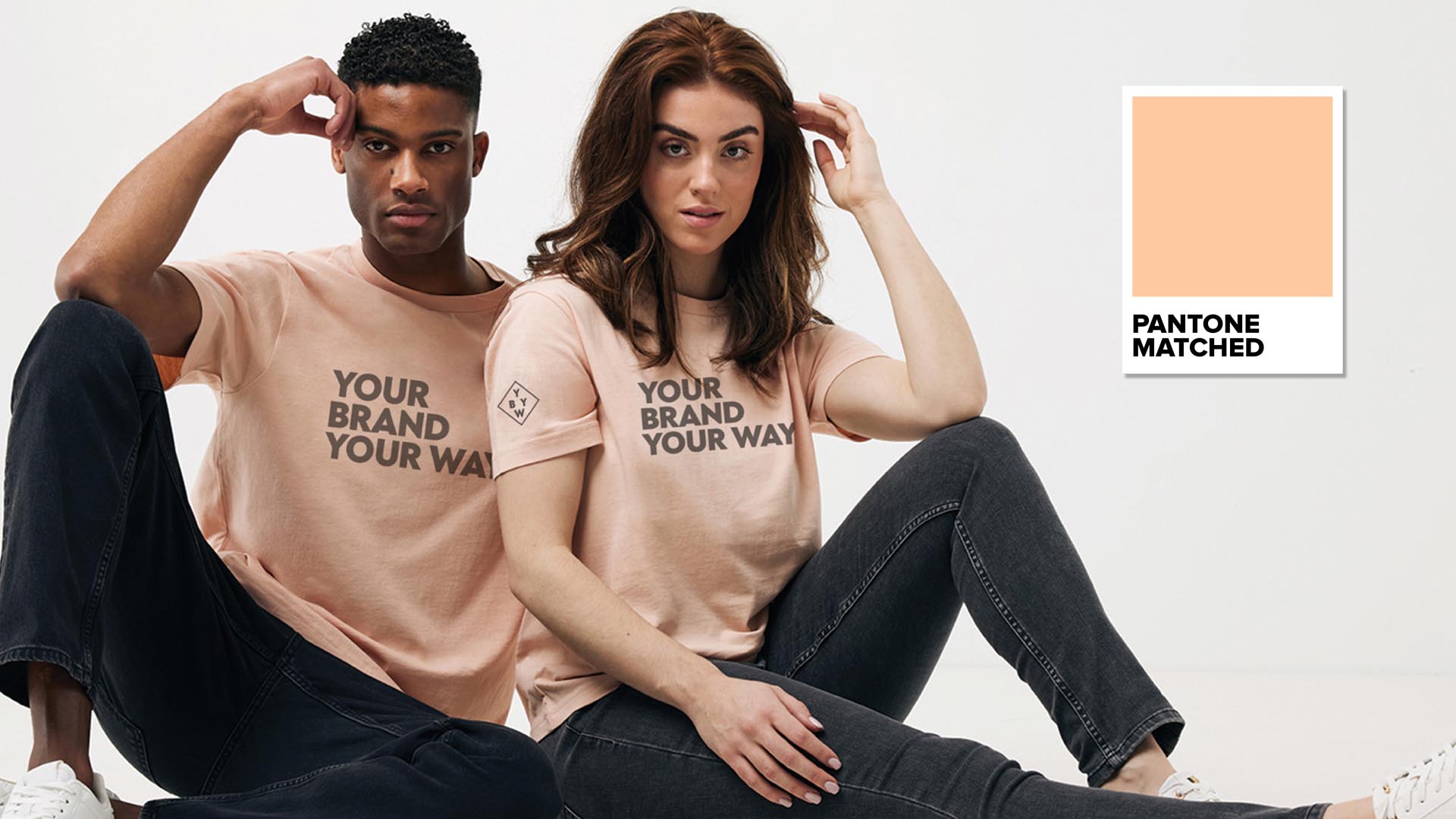
What Are The Benefits of Fully Bespoke Branded Merchandise?
-
Jason Markwick
- 10 Feb 2026
-
138views
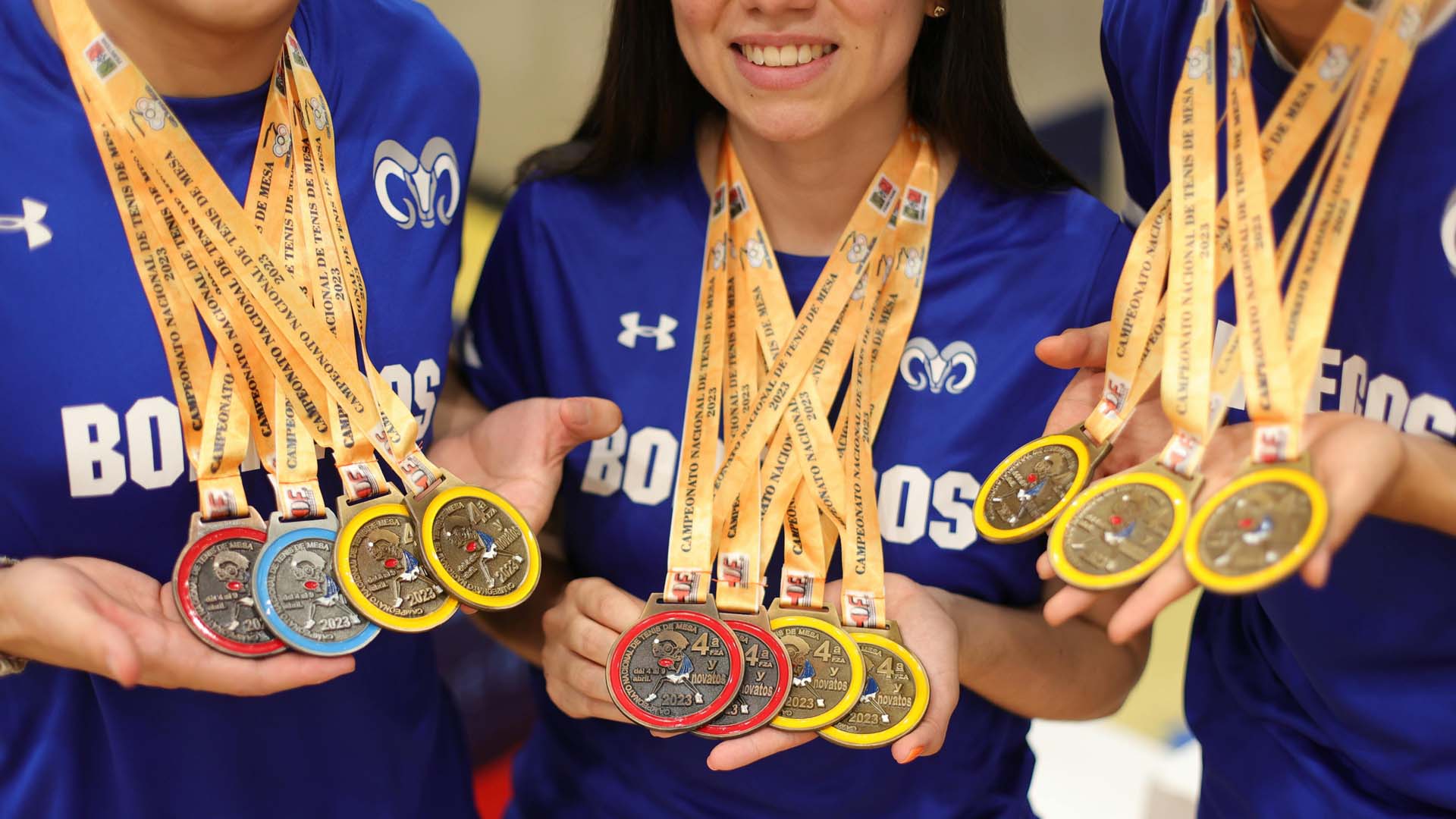
Buy cheap, buy twice: Why Brands Should Avoid Cutting Corners on Branded Merchandise
-
Jason Markwick
- 5 Jan 2026
-
718views
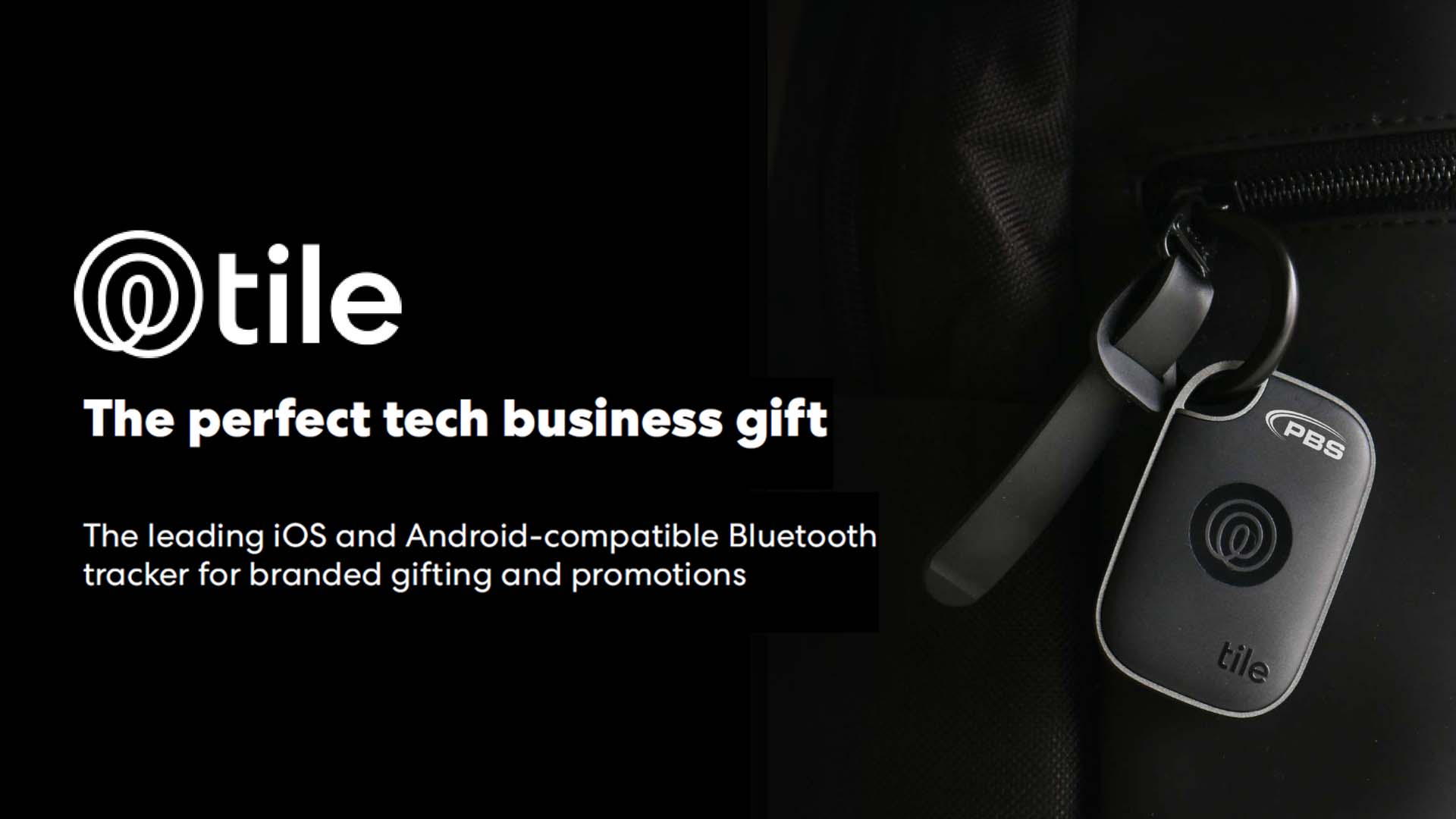
Product Spotlight - Tile Bluetooth Trackers

-
Jason Markwick
- 11 Dec 2025
-
122views
Arcadia Monthly Trivia: December 2025
-
Jason Markwick
- 10 Nov 2025
-
112views
The Power of Gift Cards: A Simple Yet Effective Reward for Staff and Customers
-
Jason Markwick
- 28 Oct 2025
-
107views
Arcadia Monthly Trivia: October 2025
-
Jason Markwick
- 2 Sep 2025
-
666views
Wear Change…Taking Sustainable Branded Clothing to the next level.
-
Jason Markwick
- 12 Aug 2025
-
385views
Why Branded Reusable Coffee Cups Make Great Promotional Giveaways
-
Jason Markwick
- 31 Jul 2025
-
83views
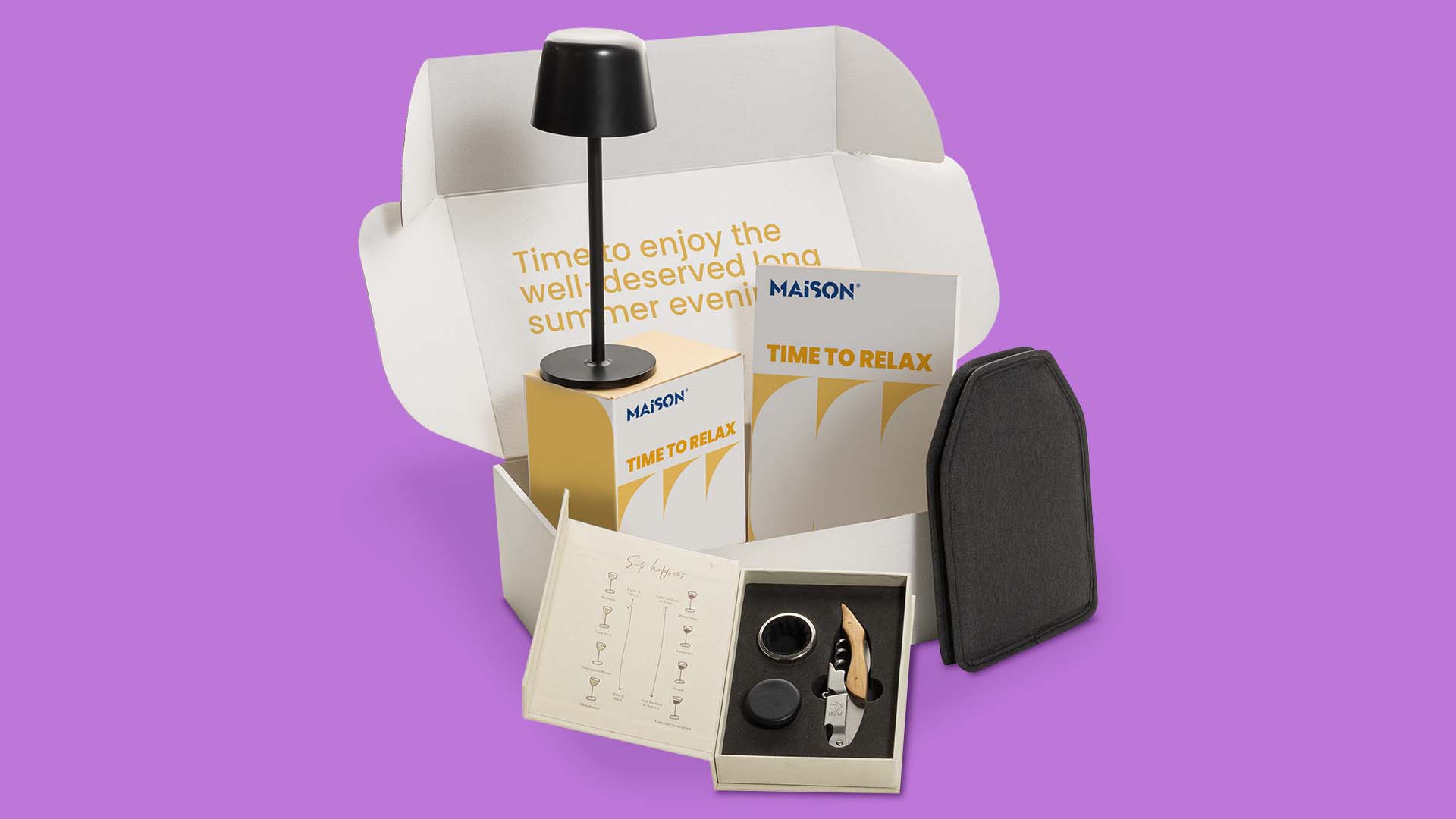
What Makes a Good Merch Box?
-
Jason Markwick
- 14 Jul 2025
-
90views
We've renewed our EcoVadis Platinum rating for 2025

-
Jason Markwick
- 8 Apr 2025
-
135views
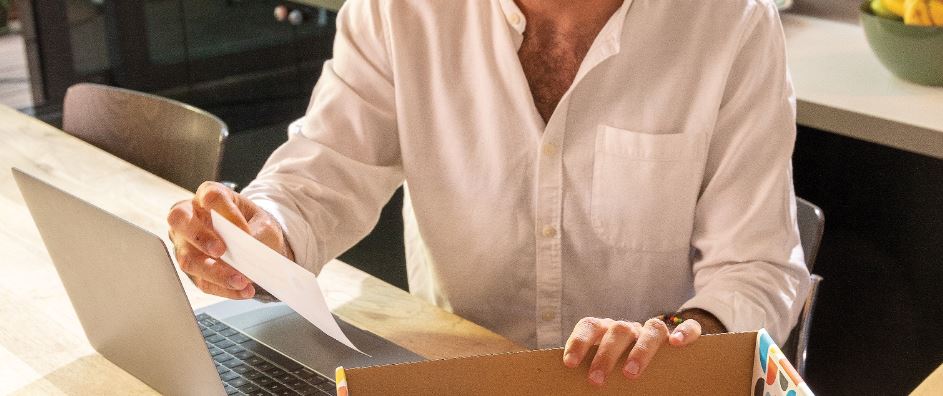
Employee Onboarding Gift Packs - Why They're Worth It
-
Jason Markwick
- 12 Mar 2025
-
81views
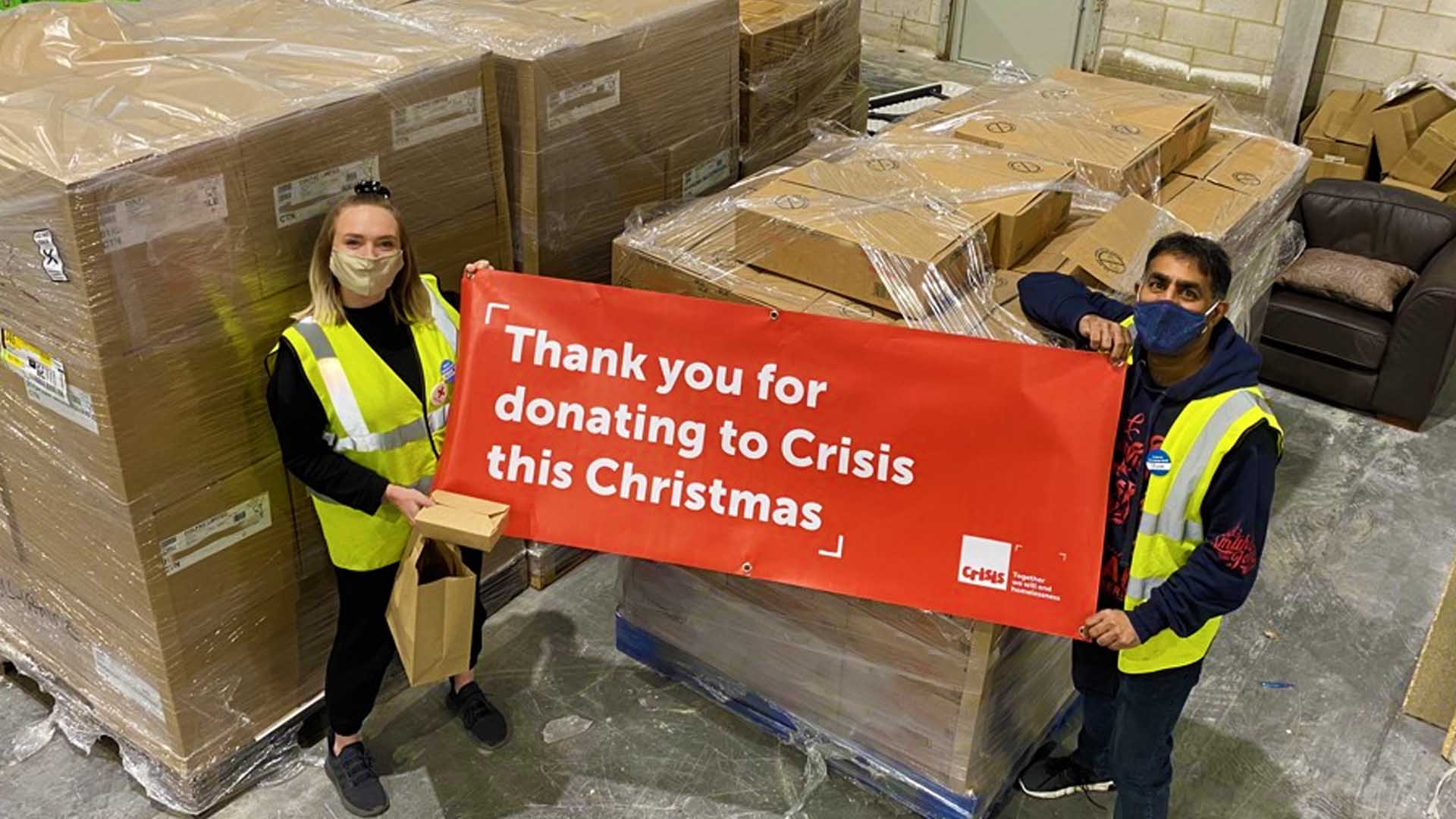
Global Distribution of Branded Merchandise
-
Jason Markwick
- 7 Feb 2025
-
111views
Giving Merch a Second Life
-
Jason Markwick
- 3 Jan 2025
-
91views